


When it comes to the world of race cars, enthusiasts can find a diverse array of vehicles that each represent a unique niche in motorsport. Understanding the intricacies of these cars not only amplifies the excitement of racing but also enhances appreciation for the engineering marvels behind them. This article will delve into ten distinct categories of race cars, providing clarity on their purpose, design, and racing environments.
From the blistering speeds of Formula 1 cars to the thrilling power of NASCAR stock cars, each type plays a pivotal role in the racing industry. Whether you’re a seasoned fan or a newcomer eager to learn, this exploration will help you grasp what makes each category special and the specific regulations that govern them. Join us as we ignite your passion for the world of race cars and uncover the details behind each type that contributes to the pulse-pounding action on the track.
Understanding Open-Wheel Race Cars: Features and Specifications
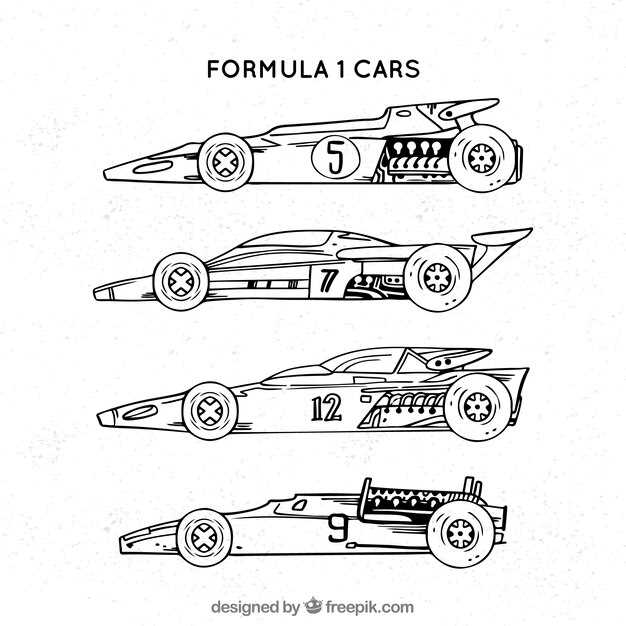
Open-wheel race cars are a distinctive category in motorsport, characterized by their exposed wheels and lightweight design. These vehicles are engineered for maximum performance on paved tracks, emphasizing aerodynamics and speed. The absence of bodywork around the wheels contributes to reduced drag and enhanced handling, making them ideal for high-speed racing.
One of the most notable features of open-wheel cars is their low center of gravity, which improves stability during high-speed corners. This is achieved through a combination of a streamlined chassis and strategically positioned weight distributions. Most designs utilize a monocoque structure, providing both rigidity and reduced weight.
Another significant aspect of these cars is their advanced suspension systems. Open-wheel race cars often employ independent suspension designs that allow for precise handling characteristics. Adjustable suspension components give drivers the ability to fine-tune the car’s behavior according to track conditions.
Powering these vehicles are high-performance engines typically located in the rear of the chassis. These engines are designed for peak power output and rapid acceleration, often reaching over 700 horsepower in top-tier categories. Turbocharged engines are becoming increasingly popular, providing the necessary power while optimizing fuel efficiency.
Aerodynamics plays a crucial role in the performance of open-wheel race cars. Features such as front and rear wings, as well as floor diffusers, are meticulously designed to maximize downforce. This downforce enables the car to maintain traction at high speeds and during sharp turns.
Safety is paramount in the design of open-wheel race cars. Modern models are equipped with advanced safety features, including halo devices, reinforced cockpits, and energy-absorbing crash structures. These innovations help protect drivers during high-impact incidents, making the sport more secure.
Throughout the racing spectrum, open-wheel cars range from grassroots formula categories to prestigious series like Formula 1. Each type has its unique specifications and performance parameters, making them appealing to different tiers of racers and fans alike. Understanding these features is essential for enthusiasts aiming to appreciate the nuances of race car technology.
Exploring Touring Cars: Performance and Design Characteristics
Touring cars represent a unique category of race vehicles, distinguished by their blend of performance and practicality. These cars are designed for both competitive racing and everyday usability, making them a popular choice among enthusiasts.
One of the defining aspects of touring cars is their design, which often mirrors production models while integrating performance modifications. Key characteristics include:
- Engine Specifications: Touring cars typically feature naturally aspirated or turbocharged engines, producing between 250 to 600 horsepower, depending on the regulations of the race series.
- Weight Distribution: The weight distribution is meticulously balanced to ensure optimal handling and cornering capabilities. This often involves utilizing lightweight materials to enhance agility.
- Aerodynamics: Enhanced aerodynamic profiles are crucial. Features such as rear wings, front splitters, and diffusers are common, designed to improve downforce and stability at high speeds.
- Chassis Dynamics: A rigid and responsive chassis is essential for handling. Many touring cars employ advanced suspension systems that allow for precise adjustments, catering to different track conditions.
Performance in touring cars is not just about speed; it also encompasses durability and reliability. The rigors of racing demand components that can withstand intense conditions:
- Tire Technology: Touring cars utilize specialized tires designed for maximum grip during cornering while ensuring longevity over race distances.
- Brake Systems: High-performance braking systems are vital, offering superior stopping power and heat dissipation to cope with the rigorous demands of racing.
- Safety Features: Built-in roll cages, advanced seat belts, and fire suppression systems are standard to protect drivers in case of accidents.
In terms of competitive categories, touring cars dominate various championships around the world, such as the British Touring Car Championship (BTCC) and the World Touring Car Championship (WTCC). These series highlight the synergy between race performance and the production car experience, making touring cars a fascinating topic for enthusiasts.
In summary, touring cars exemplify a unique blend of design ingenuity and performance engineering, maintaining a balance that appeals to both fans and competitors alike. As motorsport continues to evolve, touring cars remain a showcase of innovation in racing technology.
Analyzing Supercars in Racing: What Sets Them Apart?

Supercars represent a unique category within the racing world, distinguished by their remarkable speed, cutting-edge technology, and striking designs. These cars are engineered for high performance, often leveraging advanced materials and aerodynamic principles to enhance their capabilities on the track.
Powertrain and Performance: One primary factor that sets supercars apart is their powerful engines. Most supercars feature V8, V10, or even V12 configurations, delivering exceptional horsepower and torque. This power allows for rapid acceleration and high top speeds, often exceeding 200 mph. Unlike standard racing cars, supercars provide a combination of brute force and refined handling.
Aerodynamics: The design of supercars emphasizes aerodynamics, which is critical for achieving high speeds. Features like active aero elements, large rear spoilers, and streamlined shapes reduce drag and improve downforce. This level of aerodynamics is not just for aesthetics; it plays a crucial role in maintaining grip during high-speed maneuvers.
Technology Integration: Supercars often incorporate advanced technologies that enhance performance and driver experience. From sophisticated traction control systems to adaptive suspension setups, these cars are equipped with features that allow them to handle varied racing conditions. This technological edge provides a competitive advantage over traditional racing vehicles.
Exclusive Design and Customization: Aesthetic appeal is another hallmark of supercars. Manufacturers often collaborate with top designers to create visually stunning vehicles that stand out on the track. Additionally, many supercars offer extensive customization options for buyers, allowing for personalized touches in both appearance and performance. This exclusivity adds to their allure and prestige within the racing community.
Categories and Competitions: Within the realm of racing, supercars compete in various categories, from endurance races to circuit competitions. Events like the GT World Challenge highlight the capabilities of supercars against other high-performance vehicles. Their distinct characteristics make them formidable competitors, attracting fans and enthusiasts worldwide.
In conclusion, supercars embody the pinnacle of automotive engineering in racing, characterized by their powerful performance, aerodynamic designs, advanced technologies, and unique aesthetics. These factors collectively contribute to their status as premier machines in the competitive racing landscape.


