

When it comes to enhancing your vehicle’s performance on the racetrack, selecting the right components is essential. Among these components, spark plugs and filters play a crucial role in optimizing engine efficiency and power output. Understanding the intricacies of these parts can make a significant difference in your racing experience.
Racing spark plugs are specifically designed to withstand high temperatures and pressures, providing better ignition and performance compared to standard plugs. The choice of spark plug type, heat range, and material can drastically affect your engine’s response and reliability during critical race situations. It’s important to match these features with your engine’s specifications to achieve the best results.
Meanwhile, filters serve as the first line of defense in maintaining engine integrity by keeping harmful contaminants at bay. Choosing the right air and oil filters can significantly enhance airflow and lubricity, contributing to improved performance. Understanding the difference between traditional and high-performance filters will help you make an informed decision tailored to your racing needs.
This guide aims to equip you with the knowledge required to select the optimal spark plugs and filters for your racing vehicle, ensuring that you maximize your engine’s potential while minimizing the risk of failure on the track.
Identifying the Right Racing Spark Plugs for Your Engine
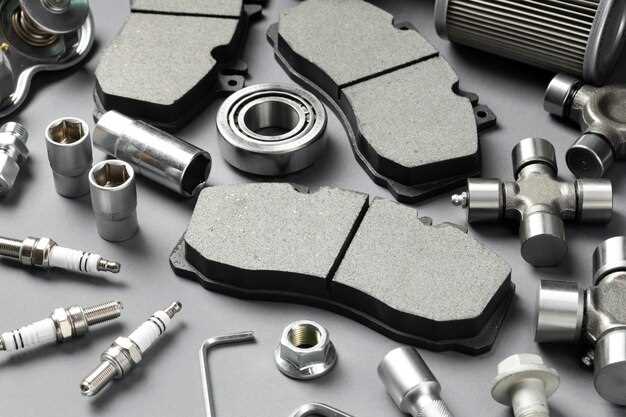
Choosing the appropriate racing spark plugs is essential for optimizing engine performance. These components play a critical role in the combustion cycle, ensuring that the air-fuel mixture ignites at the right moment. To identify the right plugs, consider the following factors:
1. Engine Specifications: Understand your engine’s specifications, including displacement, compression ratio, and intended power output. Different engines require specific heat ranges, which influence the selection of spark plugs. Consult your engine manufacturer’s guidelines or performance tuning resources to determine the appropriate type.
2. Type of Racing: Consider the type of racing you will participate in–drag, circuit, or off-road. Each racing discipline may demand distinct spark plug characteristics, including design and gap settings, to meet performance requirements under different conditions. For example, drag racing often benefits from colder spark plugs to prevent pre-ignition during high-stress applications.
3. Material Composition: Racing spark plugs are available in various materials, including copper, platinum, and iridium. Copper plugs provide good conductivity and are often preferred for lower-powered engines. Platinum and iridium plugs are designed for durability and higher performance, suitable for more advanced racing applications.
4. Spark Plug Gap: The correct spark plug gap is crucial for achieving optimal combustion. A narrower gap may be beneficial in achieving a stronger spark under high-pressure situations, while a wider gap might improve fuel efficiency in some scenarios. Always adhere to manufacturer recommendations and adjust based on testing results.
5. Compatibility with Air and Fuel Systems: Ensure your chosen spark plugs are compatible with the overall air and fuel system of your engine. Components, such as air filters, work in tandem with spark plugs; a mismatched air-fuel ratio can lead to suboptimal performance and potential engine damage. Analyze the entire intake and fuel system for a cohesive setup.
6. Testing and Feedback: Finally, don’t shy away from testing different options. Collect data on engine performance, including power output and throttle response, to make informed decisions. Racing is often about fine-tuning, and feedback from practice runs is invaluable in identifying the best spark plugs that enhance performance in your engine.
Choosing Air Filters that Enhance Performance in Racing Conditions
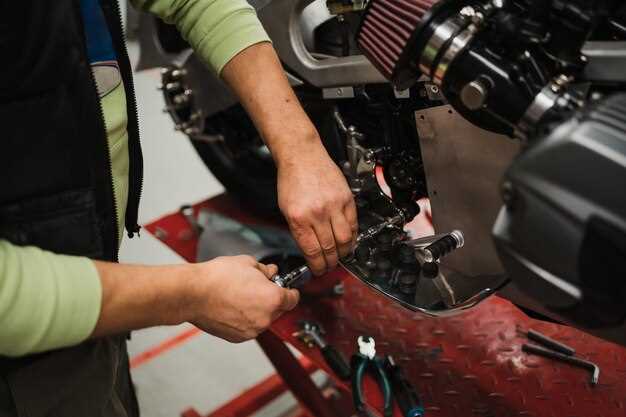
When it comes to racing, every component of your engine plays a significant role in delivering optimal performance. Among these components, air filters are crucial for ensuring that your engine receives clean, unobstructed airflow, which is vital for maximum power output.
In racing conditions, the stock air filter may not suffice. Upgrading to a high-performance air filter can significantly increase airflow, leading to improved combustion efficiency and, consequently, more power. When selecting an air filter, consider options such as cotton gauze filters, which offer superior filtration while allowing increased airflow compared to paper filters.
It’s essential to evaluate the filter’s design as well. A conical air filter, for instance, often provides better airflow characteristics than a standard flat filter. Additionally, consider the size of the filter; larger filters typically capture more air, enhancing the engine’s efficiency under high-load conditions.
Another critical factor is filter maintenance. Some performance filters are reusable and can be cleaned, making them a more sustainable option for racers. Ensure that the chosen filter can be easily serviced, as frequent cleaning and maintenance will be necessary to keep performance levels high throughout racing events.
Lastly, always pair your selected air filter with an appropriate racing spark plug. The synergy created between the air filter and spark plug can lead to significant improvements in throttle response and overall engine performance, ensuring your vehicle is primed for competitive conditions.
Understanding Maintenance and Replacement Intervals for Spark Plugs and Filters
Regular maintenance of spark plugs and filters is crucial for optimal engine performance and longevity. Spark plugs ignite the air-fuel mixture in the combustion chamber, and over time, they can wear out or become fouled. Generally, it is recommended to replace spark plugs every 30,000 to 100,000 miles, depending on the type and brand. Racing applications may require even more frequent changes to ensure peak performance.
Air filters, on the other hand, are essential for preventing contaminants from entering the engine. A clean air filter improves airflow, enhances fuel efficiency, and protects engine components. The replacement interval for air filters typically ranges from 15,000 to 30,000 miles, although severe driving conditions, such as off-road or dusty environments, may necessitate more frequent changes.
To determine the ideal intervals for your specific vehicle, consult the manufacturer’s guidelines. Monitoring engine performance and fuel economy can also provide insights into when maintenance is needed. Poor acceleration or decreased fuel efficiency may indicate that it’s time to replace your plugs or filters.
Investing in high-quality spark plugs and filters can further extend their lifespan and improve engine performance. Regular inspections during routine maintenance services will help ensure that both spark plugs and air filters are functioning correctly, delivering the power and reliability expected from high-performance engines.


