


The world of motorsports has always been graced by iconic cars that not only defined racing eras but also changed the very fabric of automotive engineering and competition. Each of these legendary vehicles has a story to tell, demonstrating the fusion of cutting-edge technology, daring design, and the spirit of competition. From the roaring engines to the sleek aerodynamics, these cars have left indelible marks on tracks around the globe.
In this exploration, we will dive deep into some of the most influential race cars that have shaped the history of motorsports. These remarkable machines challenged the norms of their time, setting benchmarks for performance and innovation. Their legacy continues to inspire race car manufacturers and drivers alike, ensuring that their influence is felt even in modern racing.
Moreover, the significance of these iconic cars extends beyond mere speed and design; they represent a shift in how motorsports is perceived and experienced. Each car serves as a testament to the passion, engineering prowess, and dedication of the teams and individuals behind them. Join us as we remember and celebrate the legendary cars that have not only captured the hearts of fans but also transformed the landscape of racing forever.
Unforgettable Iconic Designs: Aesthetic and Performance in Racing Cars
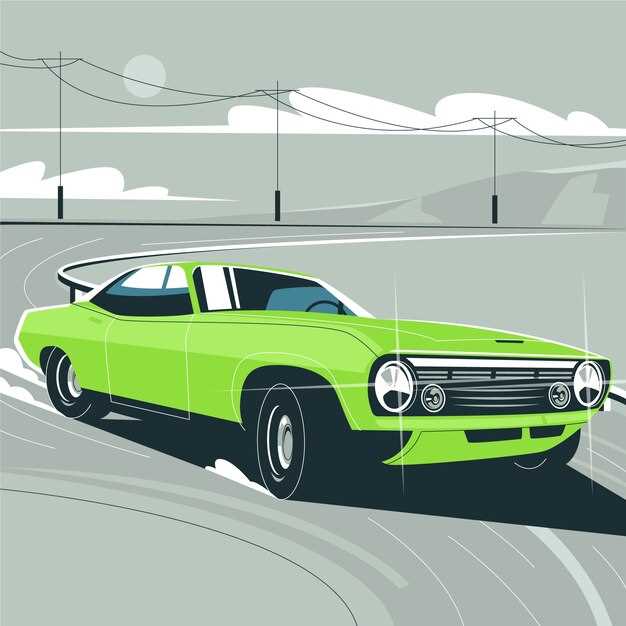
The intersection of aesthetic appeal and performance in racing cars has given rise to some of the most legendary vehicles in motorsports history. These iconic designs not only capture the imagination of fans but also enhance the functionality and speed of the cars, contributing significantly to their legacy. Each unique silhouette and engineering innovation tells a story of ambition, competitive spirit, and the relentless pursuit of excellence.
One of the most memorable designs is the Ferrari 250 GTO, renowned for its flawless lines and beautiful curves. This car not only dominated its racing class in the 1960s but also established a design benchmark that many aspire to achieve. The marriage of form and function in the GTO illustrates how aesthetic elements can improve aerodynamics, ultimately enhancing performance on the track.
The Lotus 79 further revolutionized racing car design with its groundbreaking use of ground effects technology. This iconic creation combined sleek aesthetics with functional principles, allowing it to carve through corners with unmatched stability and speed. The interplay of visual appeal and engineering savvy in the Lotus 79 solidified its status as a transformative figure in motorsports.
Another standout is the Porsche 917, famous for its sleek, elongated body and distinctive paint schemes. The 917 showcased how innovative design could lead to unprecedented success, culminating in a dominant performance at Le Mans. Its aesthetic choices reflected a bold spirit, making it a symbol of endurance racing and a milestone in automotive history.
Ultimately, the legacy of these racing cars goes beyond their physical attributes; they have changed the very nature of motorsports and inspired countless designers and engineers. Each vehicle stands as a testament to the synergy of beauty and mechanical prowess, cementing their place in the annals of racing history. The unforgettable designs continue to influence contemporary car manufacturing and motor racing culture, reminding us that aesthetics and performance are inseparable in the quest for greatness on the track.
Pioneering Technologies: How Innovations Changed the Race Track

The history of motorsports is marked by remarkable advancements that revolutionized the design and performance of race cars. Innovations in engineering and technology have played a pivotal role in shaping the racing landscape, leading to iconic vehicles that defined their eras. From the introduction of aerodynamics to developments in tire technology, each technological leap contributed to faster lap times and heightened competition.
Aero technology, pioneered in the 1970s, altered how cars interacted with the track. The addition of wings and spoilers created downforce, significantly enhancing grip and stability at high speeds. Legendary models such as the McLaren MP4/1 capitalized on these principles, demonstrating how crucial aerodynamics is to modern race car design.
Another groundbreaking advancement was in materials science. The use of lightweight composites and advanced alloys reduced vehicle weight while maintaining structural integrity. Car manufacturers like Ferrari embraced these materials to create iconic race cars that could achieve remarkable speed without sacrificing safety, paving the way for future innovations.
Engine technology has also undergone a significant evolution. The shift from naturally aspirated engines to turbocharged power units transformed performance metrics. Turbocharging enhanced power output while promoting fuel efficiency, exemplified by models such as the Audi Quattro, which dominated the World Rally Championship with its blend of power and handling.
Moreover, the integration of electronics in motorsports brought about a new era of precision and control. The introduction of telemetry allowed teams to monitor performance in real-time, leading to informed strategic decisions during races. Sophisticated data analytics has become indispensable, enabling drivers to optimize their racing lines and enhance their overall performance.
Ultimately, the relentless pursuit of innovation in racing technology not only pushed the boundaries of speed and efficiency but also spawned legendary cars that continue to capture the imagination of fans. These iconic vehicles symbolize the enduring legacy of creativity and engineering excellence that defines motorsports history.
Enduring Legacies: The Impact of Legendary Cars on Modern Motorsport
The influence of legendary race cars extends far beyond their on-track successes; these machines have shaped the very fabric of modern motorsport. From engineering innovations to safety advancements, the legacy of iconic cars continues to resonate within contemporary racing disciplines.
Legendary models, such as the Ford GT40, Porsche 917, and Ferrari 512, introduced groundbreaking technology that set new benchmarks for performance. The rivalry between manufacturers spurred a relentless pursuit of speed, efficiency, and design, directly influencing modern car specifications and regulations across various racing series.
Furthermore, these legendary cars established narratives that captivated audiences, fostering a deeper connection between fans and motorsport. Their stories of triumph and failure have echoed through decades, inspiring a new generation of drivers and engineers to strive for excellence. This enduring legacy has propelled motorsport into a globally celebrated spectacle characterized by legendary figures and remarkable achievements.
In addition, safety innovations pioneered by these historic vehicles have led to significant enhancements in the protection of drivers. Advances in crash testing, roll cages, and safety gear can be traced back to the lessons learned from the design and performance of iconic race cars. As motorsport evolves, the commitment to safety remains a priority, reflecting the ongoing impact of these legendary vehicles.
Ultimately, the legacy of legendary race cars is etched in the very culture of motorsport. Their influence is not merely historical; rather, it continues to actively shape today’s racing landscape. As new technologies emerge, the foundational principles established by these iconic vehicles remain integral to the growth and evolution of the sport.


