

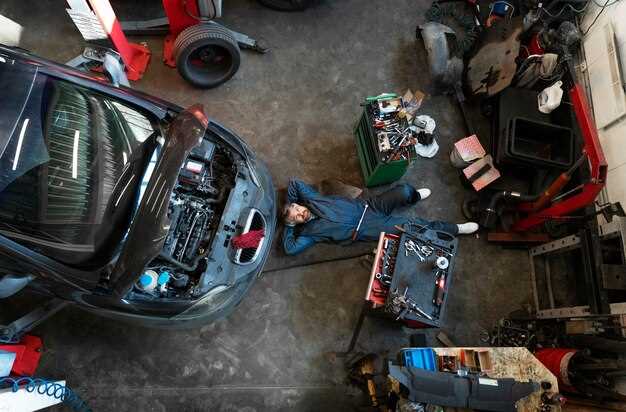
In the world of motorsports, where every millisecond counts, maintaining a high-performance race car is of paramount importance. The level of care invested in a racing vehicle significantly influences its speed, reliability, and overall performance on the track. These specialized machines are engineered for optimal performance, but without proper maintenance, even the most advanced car can fall short of its potential.
Routine inspections and maintenance practices are essential for ensuring that each component of a race car operates at peak efficiency. From the engine to the tires, every part requires attention and care to withstand the rigorous demands of competitive racing. Regular check-ups help identify wear and tear, allowing for timely replacements and adjustments that can enhance performance and prevent costly failures during races.
Moreover, understanding the unique requirements of high-performance race cars is crucial for any team or individual responsible for their upkeep. Timely interventions, such as fluid changes and brake adjustments, are just a few examples of how meticulous care can make a difference on race day. By adhering to key maintenance practices, drivers can maximize their car’s performance and achieve their racing goals with confidence.
Regular Engine Inspections and Tune-Ups for Optimal Performance

Maintaining high-performance race cars requires a rigorous approach to engine inspections and tune-ups. Regular engine check-ups are crucial for identifying any potential issues before they escalate into costly repairs or performance loss. A well-maintained engine ensures that the race car delivers optimal performance under extreme conditions, which is vital for competitive racing.
During routine inspections, mechanics should assess various components, including spark plugs, fuel injectors, and air filters. These parts significantly impact engine efficiency and power output. Neglecting to check these elements can lead to reduced acceleration and increased fuel consumption, ultimately hindering race performance. Additionally, checking for leaks and ensuring proper fluid levels contributes to the engine’s longevity and reliability on the track.
Tune-ups are essential to keep the engine running smoothly and efficiently. This process often involves adjusting ignition timing, calibrating fuel mixtures, and updating software in modern engines. By optimizing these settings, drivers can achieve better throttle response and overall speed, enhancing their competitive edge during races.
Regular maintenance intervals are recommended to keep the engine in peak condition. Depending on the race schedule and driving conditions, these intervals may vary. However, adhering to a strict maintenance calendar ensures that unexpected issues are minimized, allowing drivers to focus solely on performance during races.
In conclusion, consistent engine inspections and timely tune-ups are non-negotiable aspects of race car care. By prioritizing these practices, race teams can achieve superior performance, driving their vehicles to victory on the track.
Tire Management Strategies to Enhance Grip and Durability
Effective tire management is crucial for maintaining optimal performance in high-performance race cars. Proper care of tires not only enhances grip but also extends their lifespan, ultimately contributing to overall vehicle efficiency on the track.
One essential strategy involves selecting the right tire compound for specific racing conditions. Softer compounds provide better grip but wear out faster, while harder compounds offer durability at the cost of traction. Analyzing track conditions and understanding the car’s handling characteristics will help in making informed decisions regarding tire selection.
Regular tire pressure monitoring is also a vital practice. Maintaining the correct tire pressure is important for ensuring optimal contact with the track surface. Overinflated tires can lead to reduced grip, while underinflated tires can cause excessive wear and overheating. Employing tire pressure gauges and adjusting as necessary throughout practice sessions can enhance performance consistently.
Another key aspect of tire care involves managing tire temperatures. Tires operate best within specific temperature ranges. Keeping a close eye on tire temperature allows for real-time adjustments during races, such as changing tire strategies or timing pit stops. Utilizing tire blankets before the race can help achieve the desired temperature quickly, maximizing grip right from the start.
Implementing a systematic rotation schedule can further enhance tire durability. By regularly swapping tires among different positions on the car, wear patterns can be evened out, allowing for a more consistent performance. This practice ensures that no single set of tires becomes significantly worn before others, contributing to longer usage overall.
Additionally, thorough post-race inspections are imperative to assess tire condition and identify any issues, such as uneven wear or potential punctures. Keeping detailed records of tire performance and wear patterns aids in developing effective strategies for future races, thus improving overall race car care.
By applying these tire management strategies, teams can significantly enhance both grip and durability, leading to improved performance on the track and a greater chance of success in competitive racing environments.
Brake System Care: Ensuring Safety and Consistency in High-Stakes Races
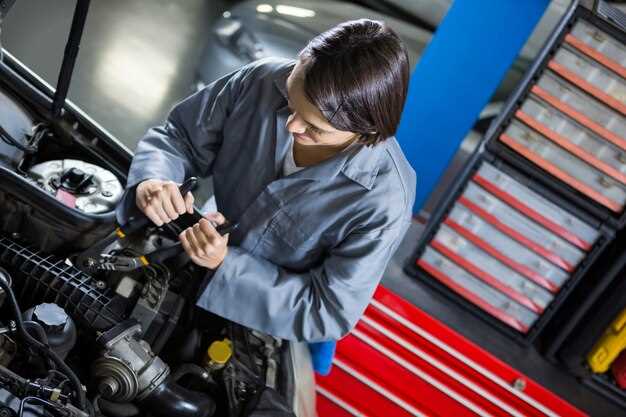
The braking system is a critical component in any high-performance race car, providing the necessary stopping power to ensure both safety and consistency during intense racing conditions. Regular maintenance of the brake system is essential to prevent failure and maintain optimum performance on the track.
One of the key practices in brake system care involves routinely checking the brake pads and rotors for wear. Over time, brake pads can become worn down, reducing their effectiveness. Similarly, rotors may develop hot spots or warping, leading to uneven braking. Inspecting these components frequently allows for early detection of issues, ensuring that the car remains race-ready.
Fluid condition must also be monitored closely. Brake fluid absorbs moisture over time, which can lead to decreased performance and potentially dangerous situations. A regular flush of the brake fluid, along with replacement with high-performance fluid, can significantly improve the braking response and reliability of the race car.
Additionally, ensuring proper alignment and balance in the braking system enhances control during races. Misalignment can cause uneven brake wear and lead to instability when slowing down. By making necessary adjustments and verifying alignment, drivers can achieve smoother and more predictable braking performance.
Finally, consistent testing of the brake system under race conditions is crucial. Conducting practice runs allows drivers to gauge brake performance, enabling them to make real-time adjustments and build confidence in their car’s capabilities. This practice not only enhances safety but also contributes to consistency during competitive events.


